Higher Education
UX Systems

Higher Education UX Systems

Higher Education
UX Systems

Prospective students were dropping off before they ever reached a program page. Not because the institutions lacked credibility — but because the digital experience around them made it too hard to stay. Across a series of higher education engagements, we identified the same fracture points showing up in different forms. This is how we resolved them.

We design e-commerce platforms focused on improving purchase flow, reducing friction, and supporting subscription-based models. The work spans product browsing, plan selection, checkout, and post-purchase management.

Tools Used

Demo
Framer
Pixco
Component

Scope of Work

Product Design
UX Research
Information Architecture
Content Systems
Navigation Design
Web Platforms
UX Audits
Accessibility Design
Image
Image
0

M+

0

total annual audience across platforms

0

%

+

0

increase in content clarity
and accessibility

Image
0

+

universities and education platforms supported

0

%+

improvement in navigation and

content usability

%+

0

reduction in drop-offs in checkout and

plan selection.

Image
Image
Image

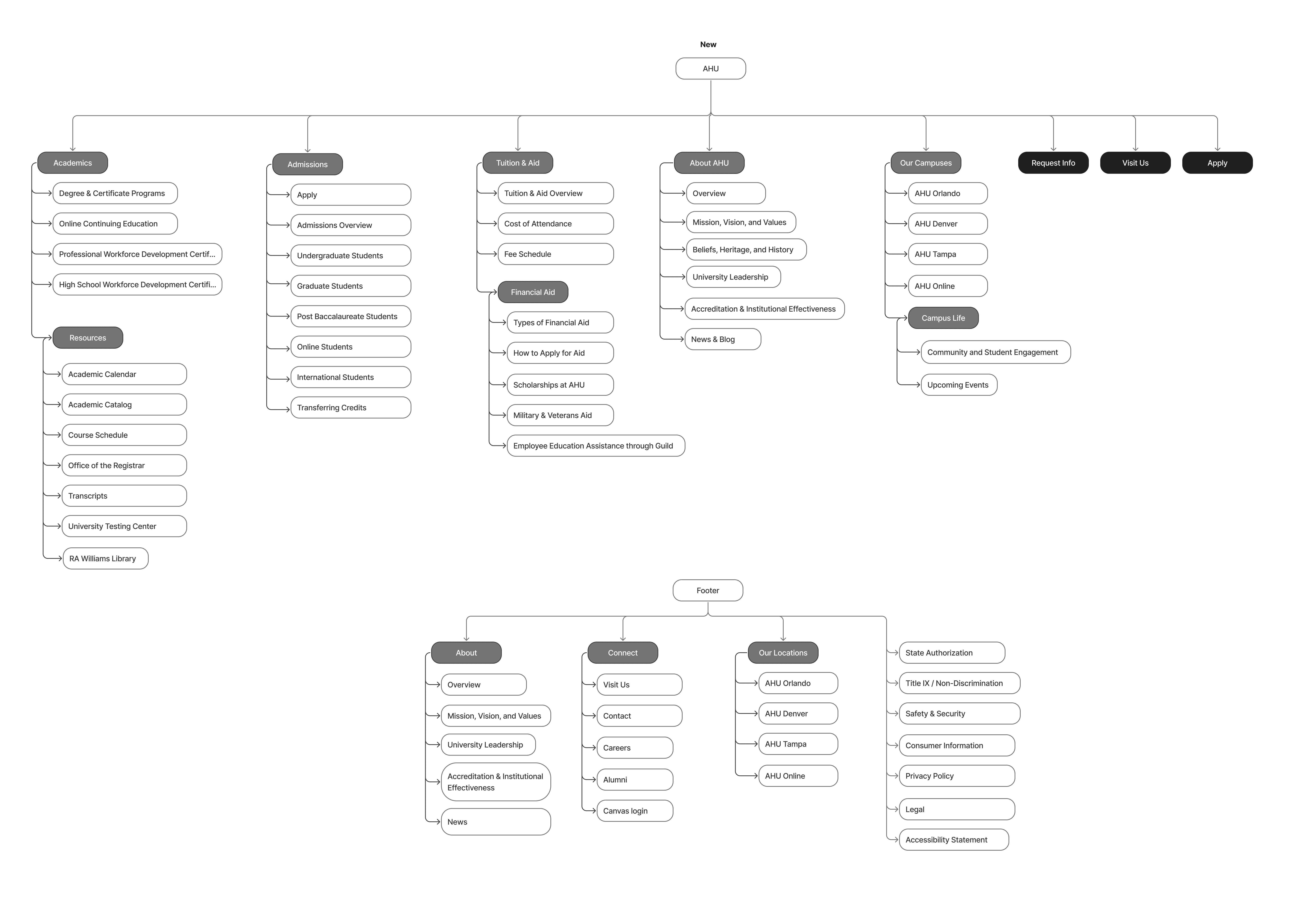
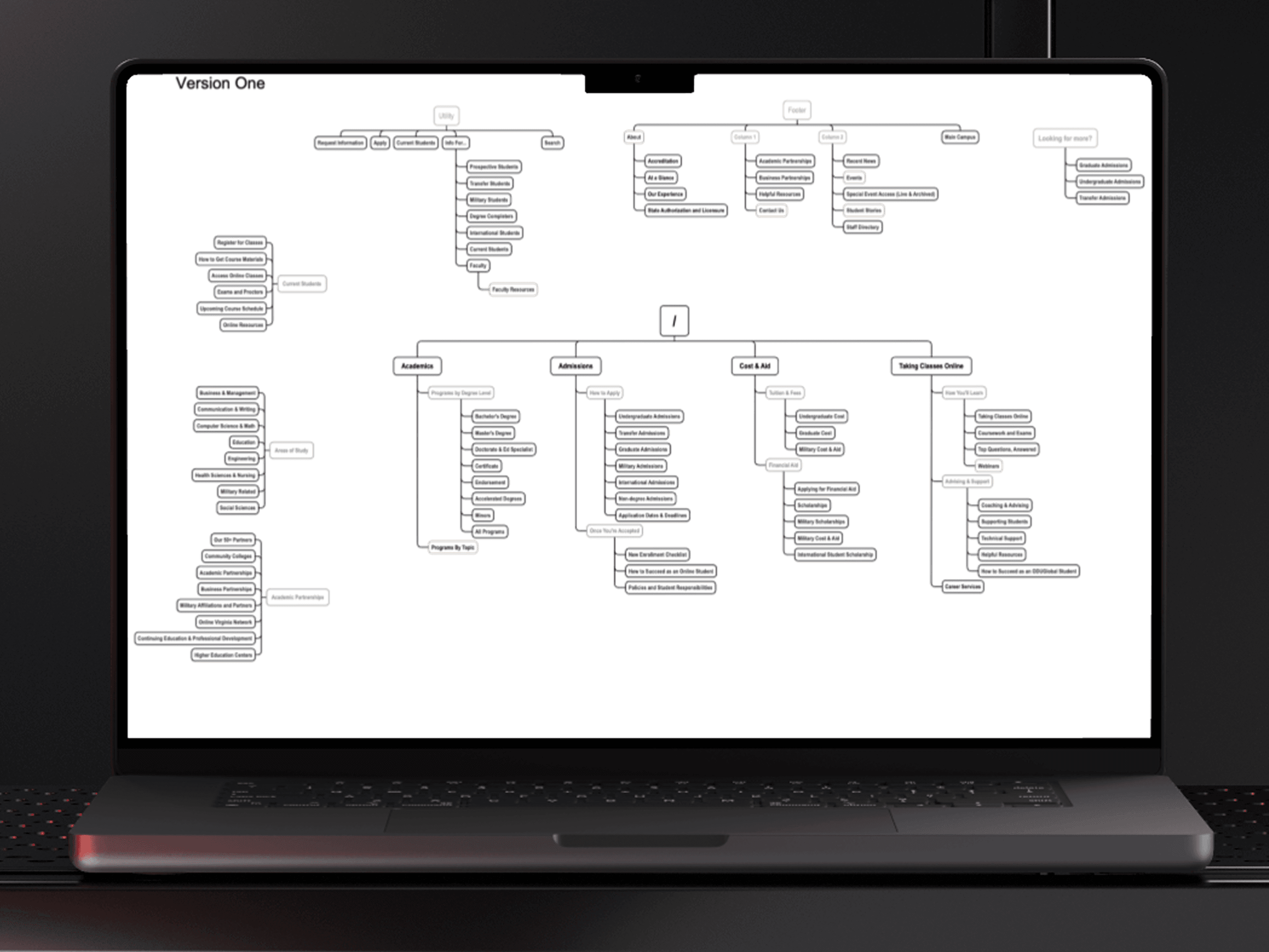
Restructuring the IA Around Real User Journeys

Restructuring the IA
Around Real User Journeys

Navigation Designed for Decision-Making

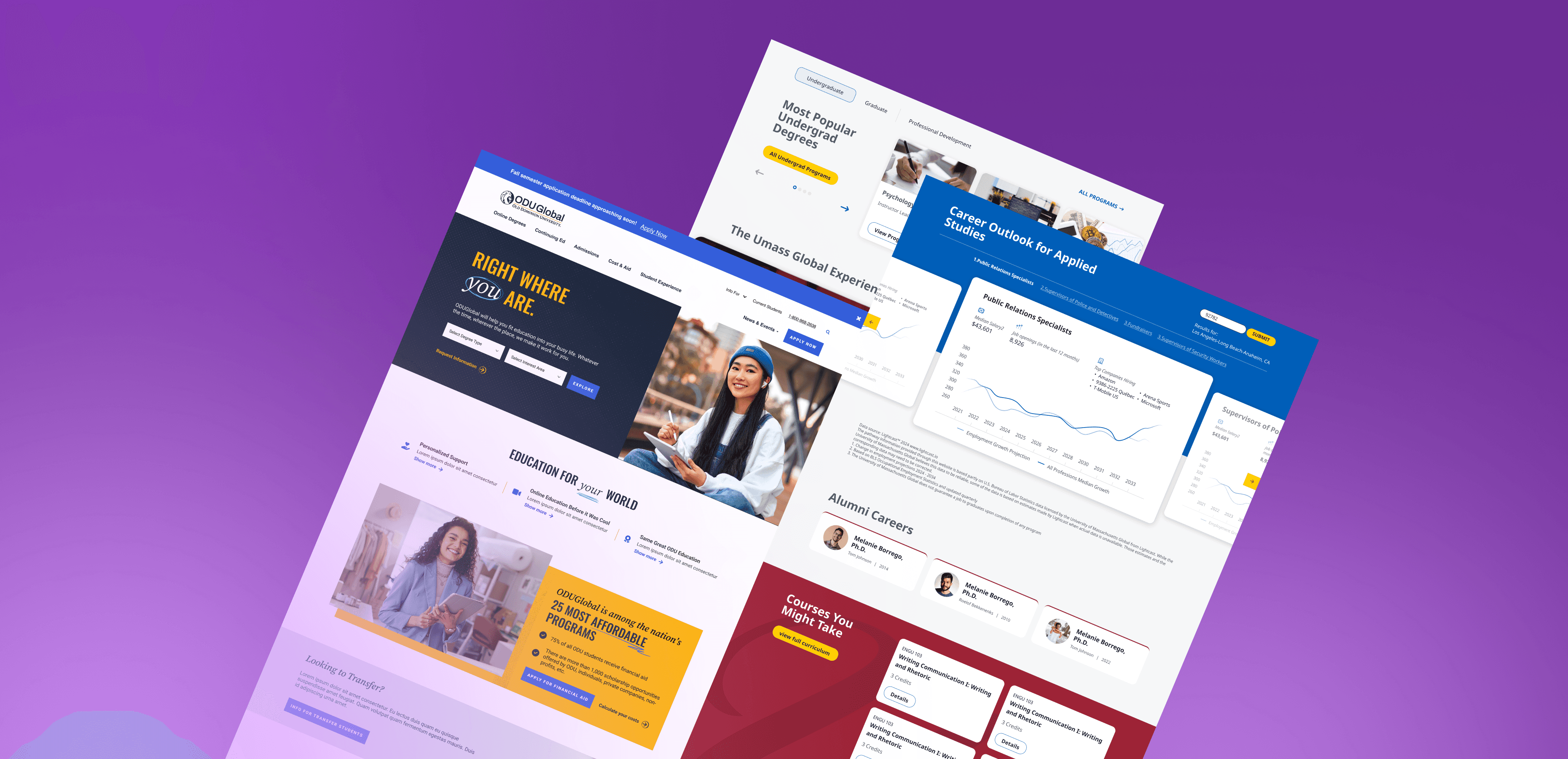
Years of platform decisions had left institutions with websites that looked assembled rather than designed. Visually inconsistent, structurally fragmented — and prospects could feel it the moment they moved between pages. We built unified design systems from the ground up: component libraries, CMS-driven templates, and shared design tokens that brought coherence to every surface a student would encounter.

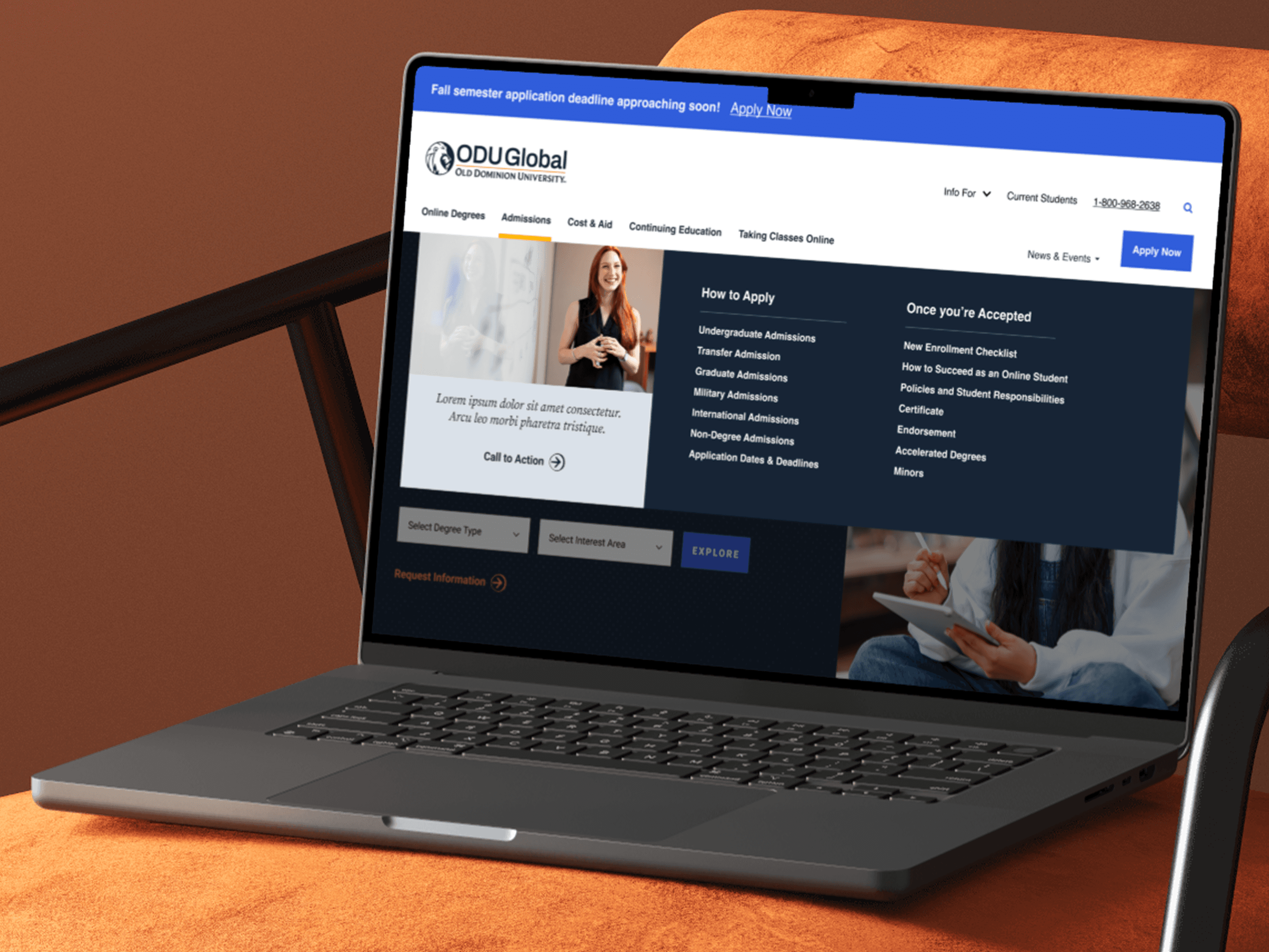
The navigation structures we inherited were organized around how institutions saw themselves — not how students moved through decisions. Dense, multi-tiered menus that tried to serve every audience at once ended up serving none of them well. We audited the full information architecture, mapped real decision journeys, and restructured the hierarchy so a first-time visitor could orient and move — without having to think too hard about where to go next.

Responsive Design

Meets Real Student Behavior

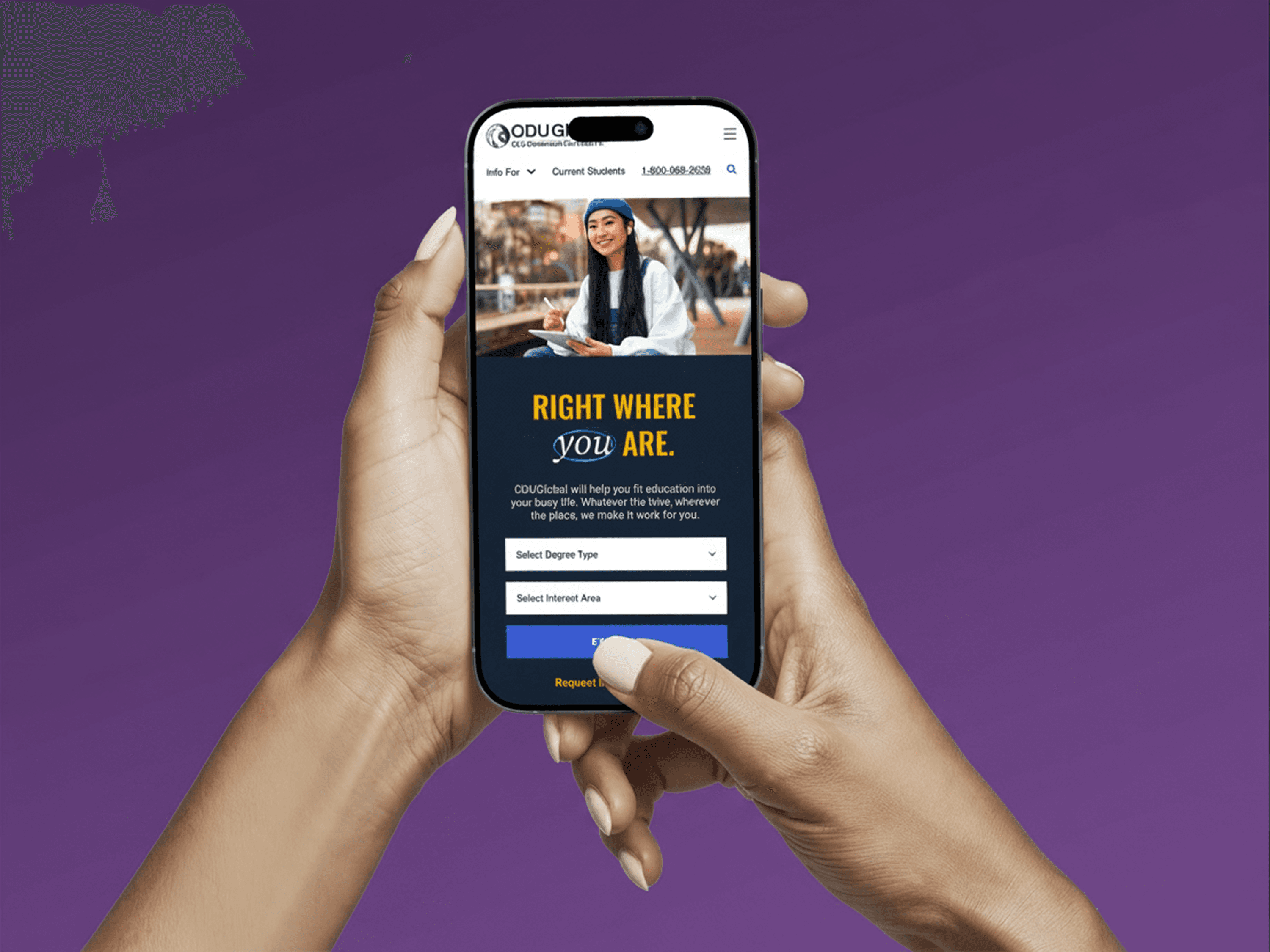
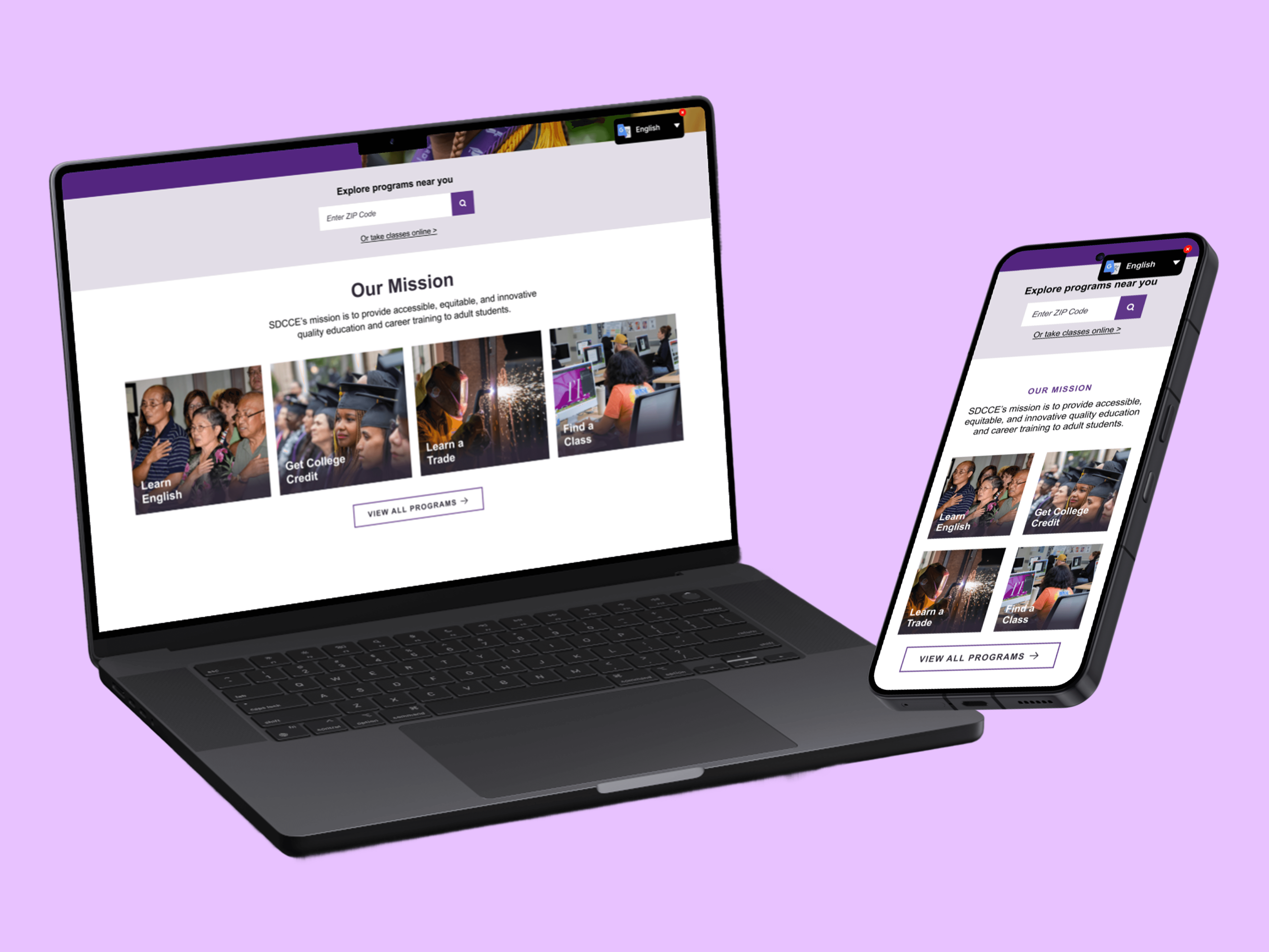
Most prospective students aren't discovering programs at a desk. They're on their phones, in the in-between moments of a busy life. The mobile experiences we inherited weren't built for those conditions — forms that were

hard to complete, navigation that collapsed under touch, CTAs that disappeared on smaller screens. We rebuilt the responsive layer with those real-world contexts as the primary constraint, not an afterthought.

Restructuring the IA

Around Real User Journeys

Years of platform decisions had left institutions with websites that looked assembled rather than designed. Visually inconsistent, structurally fragmented — and prospects could feel it the moment they moved between pages. We built unified design systems from the ground up: component libraries, CMS-driven templates, and shared design tokens that brought coherence to every surface a student would encounter.

Image
Image

Navigation Designed for Decision-Making

Navigation Designed for Decision-Making

The navigation structures we inherited were organized around how institutions saw themselves — not how students moved through decisions. Dense, multi-tiered menus that tried to serve every audience at once ended up serving none of them well. We audited the full information architecture, mapped real decision journeys, and restructured the hierarchy so a first-time visitor could orient and move — without having to think too hard about where to go next.

Image
Image
Image
Image

K+

0

monthly active users across platforms.

%

0

improvement in conversion across

redesigned flows.

Image
Image

15+

brands worked with.

%+

0

reduction in drop-offs in checkout and

plan selection.

Responsive Design

Meets Real Student Behavior

Most prospective students aren't discovering programs at a desk. They're on their phones, in the in-between moments of a busy life. The mobile experiences we inherited weren't built for those conditions — forms that were

hard to complete, navigation that collapsed under touch, CTAs that disappeared on smaller screens. We rebuilt the responsive layer with those real-world contexts as the primary constraint, not an afterthought.

Image

Responsive Design
Meets Real Student Behavior

Most prospective students aren't discovering programs at a desk. They're on their phones, in the in-between moments of a busy life. The mobile experiences we inherited weren't built for those conditions — forms that were

hard to complete, navigation that collapsed under touch, CTAs that disappeared on smaller screens. We rebuilt the responsive layer with those real-world contexts as the primary constraint, not an afterthought.

Email UX That Drives Action,
Not Just Opens

Email UX That Drives Action,
Not Just Opens

Email UX That Drives Action,

Not Just Opens

Institutions were sending emails. Students weren't acting on them. The gap wasn't content — it was design and structure. We approached email the same way we approach any interface: with hierarchy, with intent, with a clear understanding of where the reader is in their journey. The result was communication that felt considered rather than broadcast — and performed accordingly.

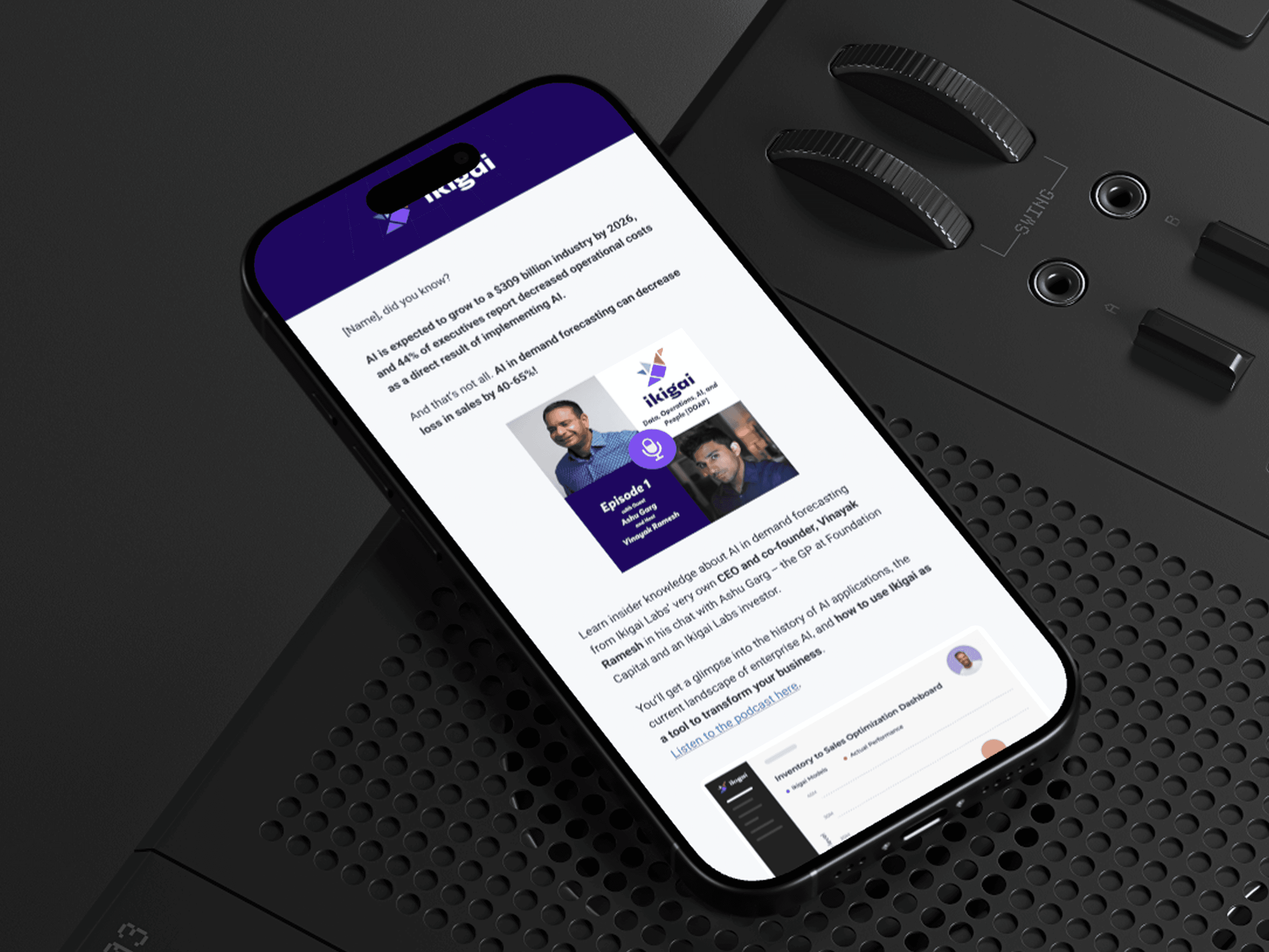
Institutions were sending emails. Students weren't acting on them. The gap wasn't content — it was design and structure. We approached email the same way we approach any interface: with hierarchy, with intent, with a clear understanding of where the reader is in their journey. The result was communication that felt considered rather than broadcast — and performed accordingly.
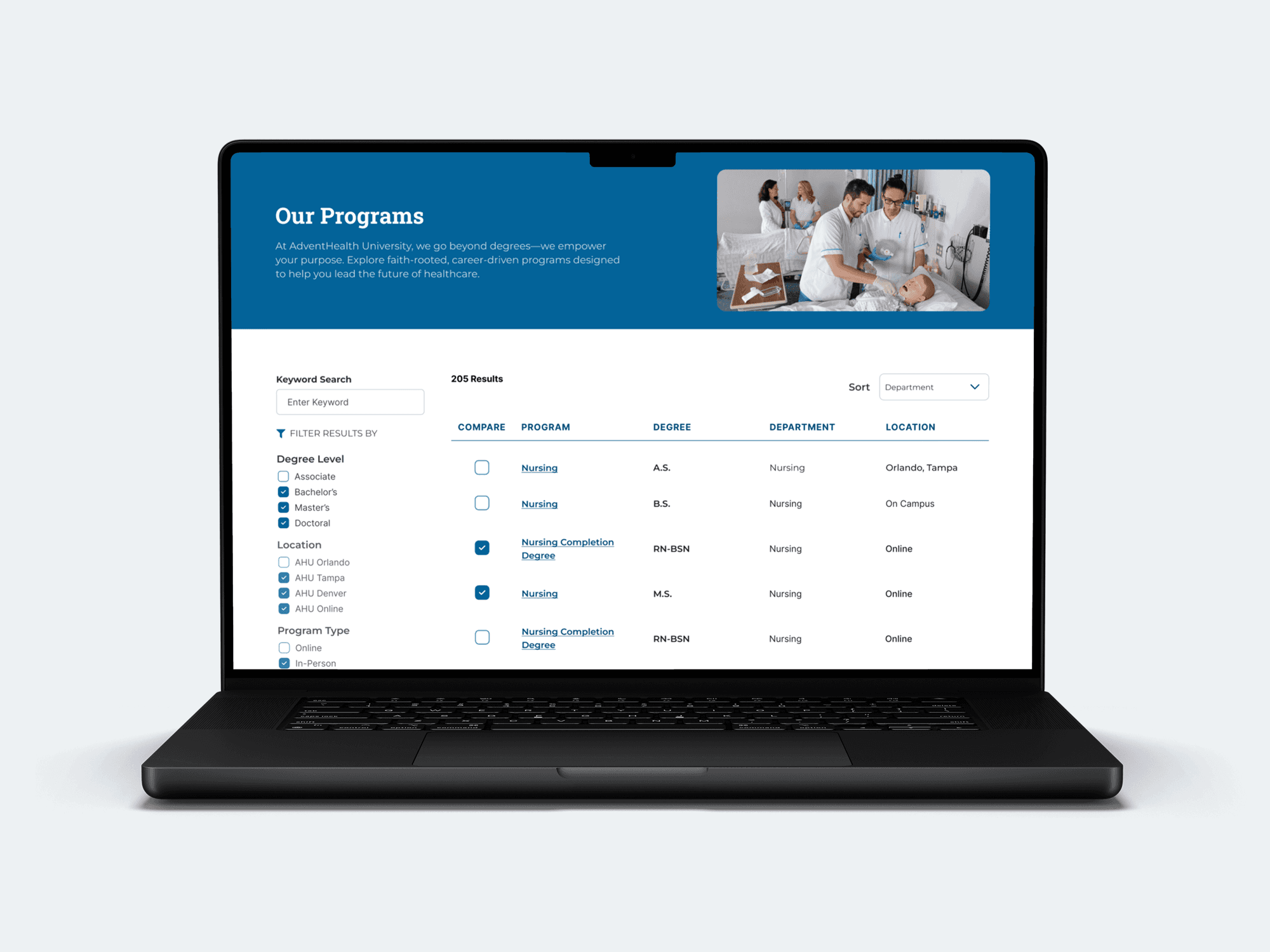
Reducing Friction in
Program Discovery

Across every engagement, program discoverability was the most direct conversion bottleneck. A student who can't find their program in the first few interactions will leave — no matter how strong the brand. We redesigned the discovery experience around actual browsing behavior: smarter filters, cleaner taxonomy, and search interactions that surface the right program quickly, from any entry point on the site.

Designing the Moment

Before the Decision

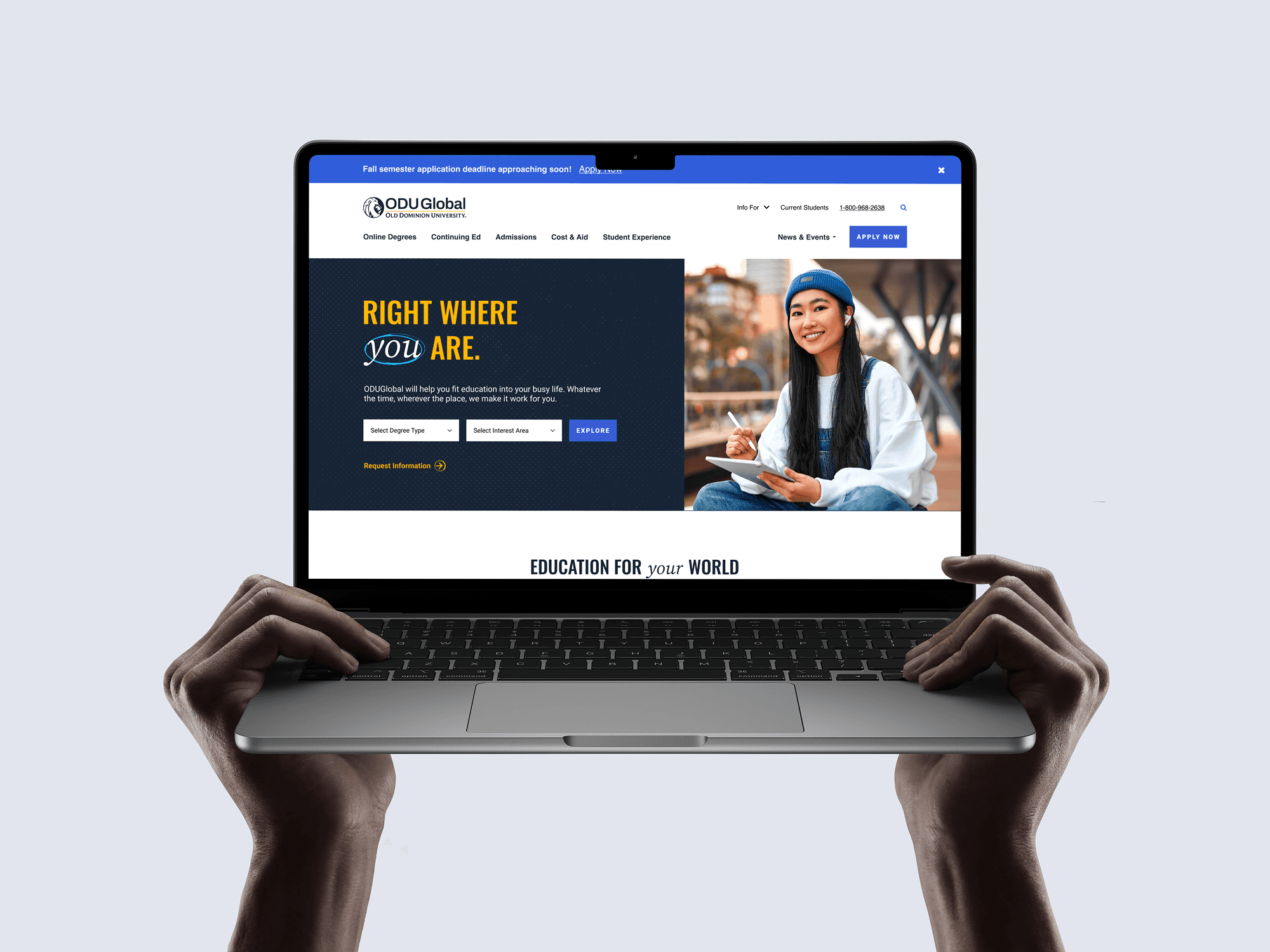
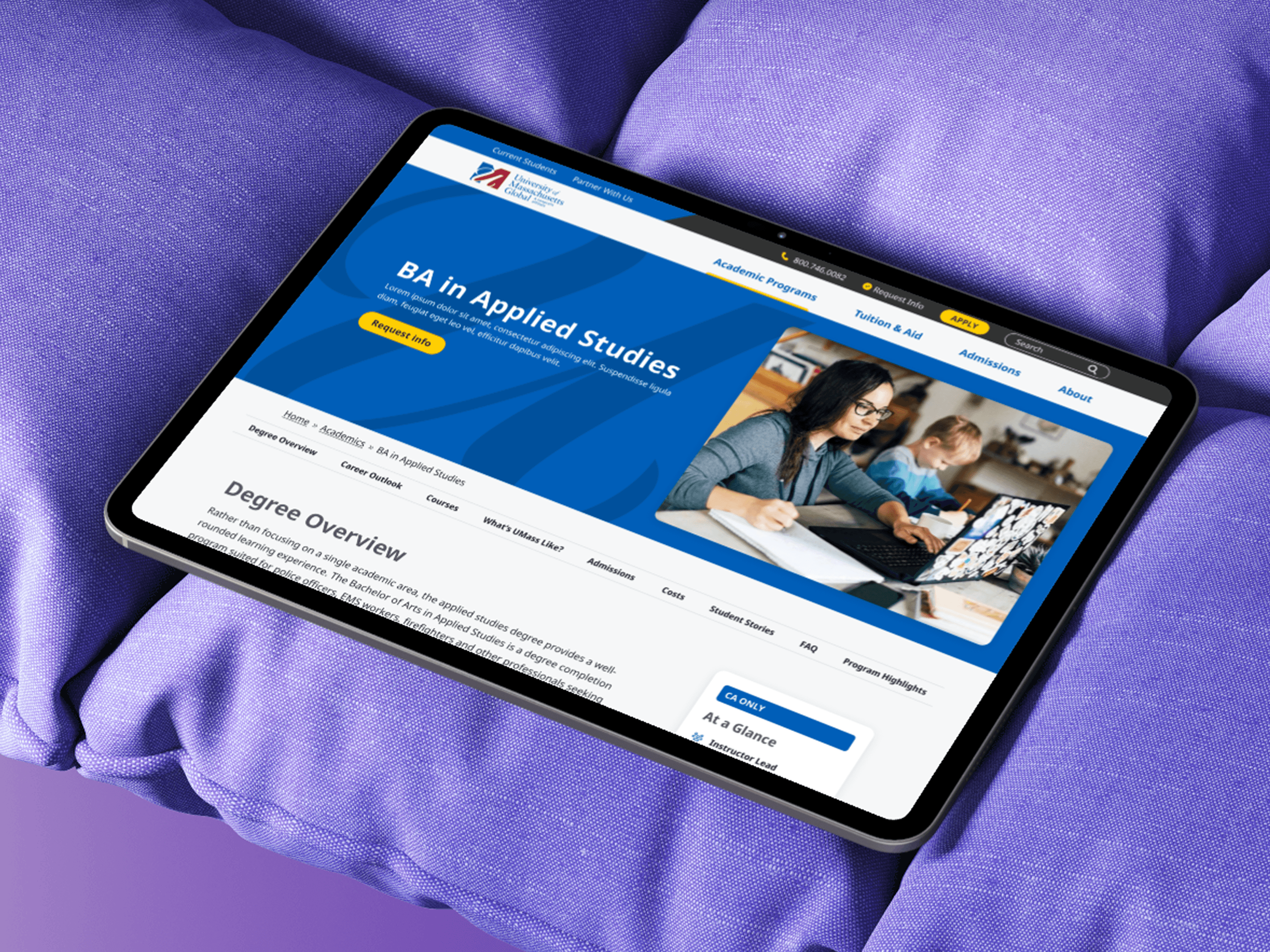
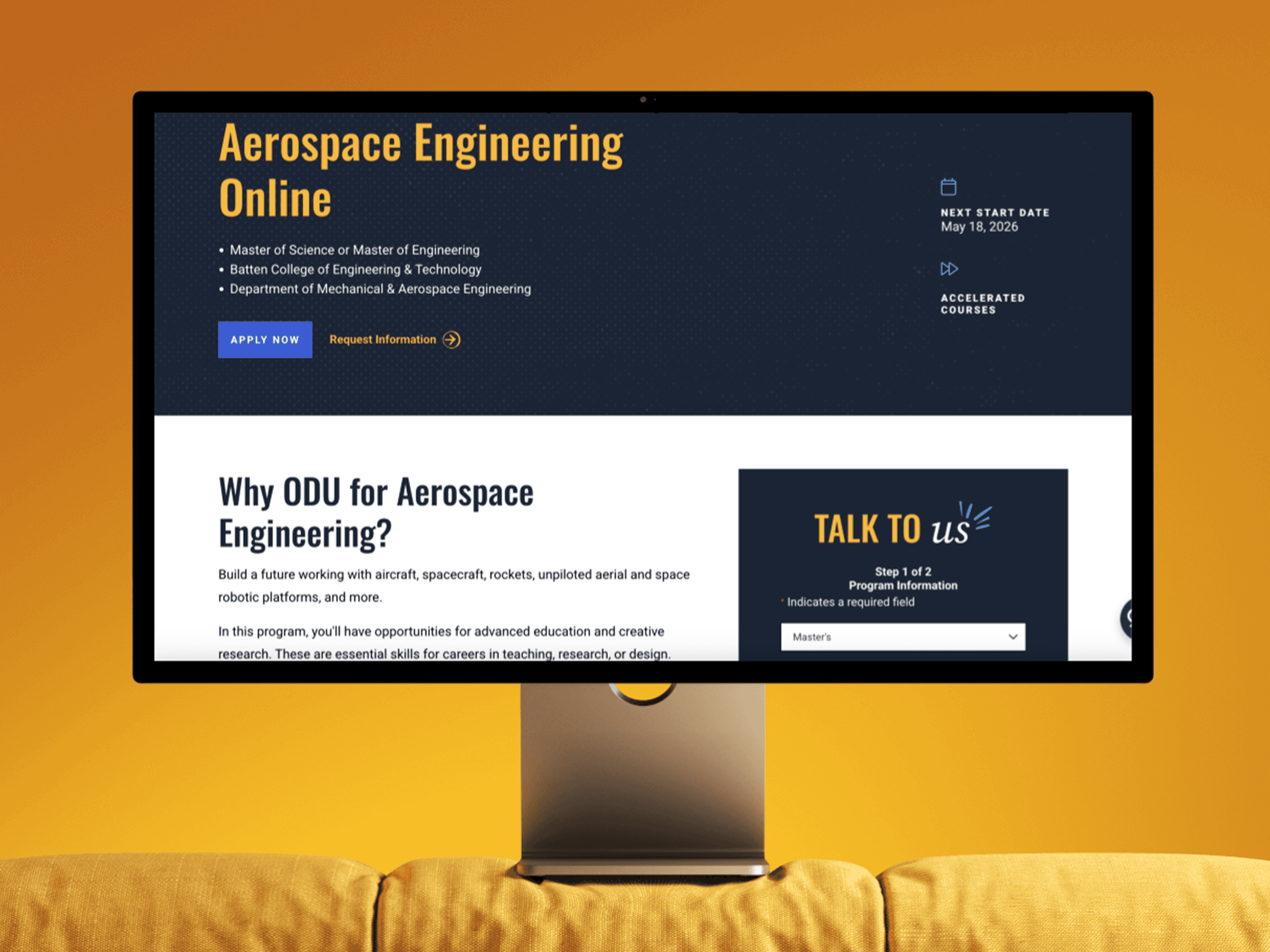
Generic calls-to-action placed at predictable intervals weren't converting because they weren't earning it. We introduced a two-tier CTA approach — lighter entry points for students still exploring, higher-commitment actions for those ready to move. Hero sections were redesigned around this logic: leading with program selection and a resolved next step, so the page did the work of qualifying intent before asking for anything.

Designing the Moment
Before the Decision

Designing the Moment
Before the Decision

Generic calls-to-action placed at predictable intervals weren't converting because they weren't earning it. We introduced a two-tier CTA approach — lighter entry points for students still exploring, higher-commitment actions for those ready to move. Hero sections were redesigned around this logic: leading with program selection and a resolved next step, so the page did the work of qualifying intent before asking for anything.

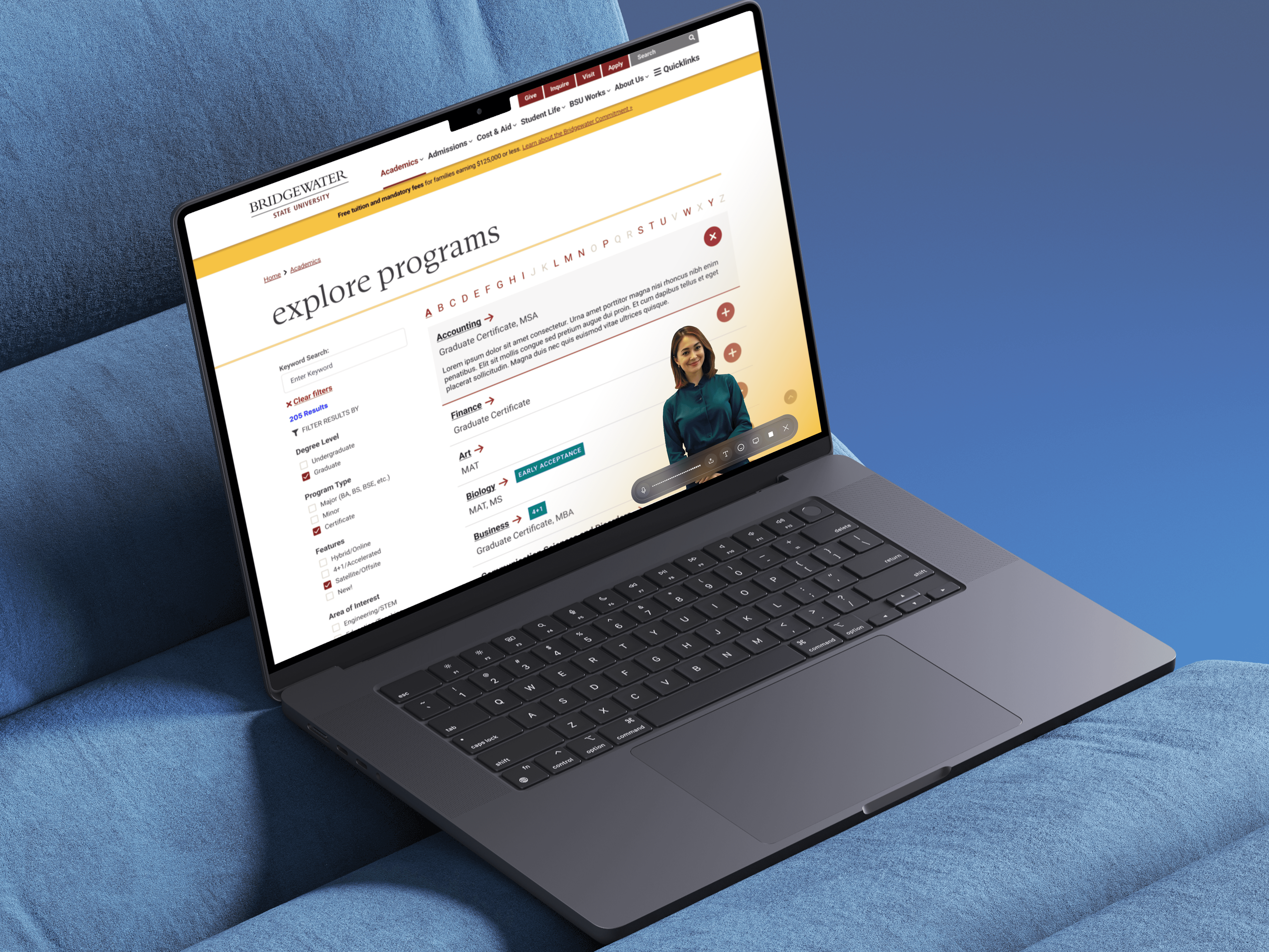
Aura AI Personalization at the Browsing Layer

Aura AI Personalization at the Browsing Layer

Aura AI Personalization at the Browsing Layer

We went a layer deeper with Aura — our AI system built to read behavioral signals and surface relevant programs in real time, directly within the browsing experience. Not a support widget. Not a pop-up. An intelligent layer woven into the interface that reduces the distance between a student's first visit and their first meaningful action.
When the Experience Works,
the Funnel Follows

When the Experience Works,
the Funnel Follows

When the Experience Works,
the Funnel Follows

The throughline across every engagement was consistent: when the digital experience is designed around how prospective students actually behave — rather than how institutions assume they do — conversion responds. Faster time-to-inquiry, stronger mobile engagement, deeper program interaction. In higher education, better UX isn't a design upgrade. It's an enrollment strategy.
WORK WITH US

Innovation starts with collaboration

WORK WITH US

Innovation starts with collaboration

WORK WITH US

Innovation starts with collaboration

Reducing Friction in

Program Discovery

Across every engagement, program discoverability was the most direct conversion bottleneck. A student who can't find their program in the first few interactions will leave — no matter how strong the brand. We redesigned the discovery experience around actual browsing behavior: smarter filters, cleaner taxonomy, and search interactions that surface the right program quickly, from any entry point on the site.